
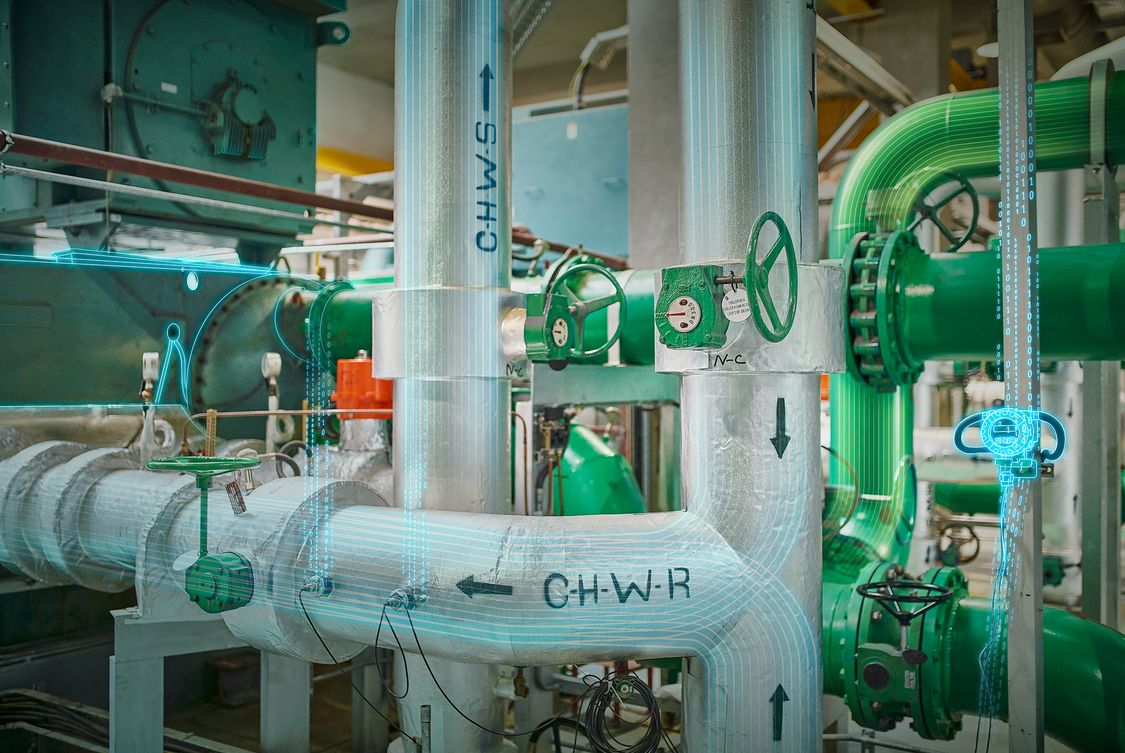
Heating, Ventilation, and Air Conditioning (HVAC) systems are among the largest consumers of energy in commercial and residential buildings. As the world moves toward greater sustainability, energy efficiency in HVAC design has become a top priority for engineers, architects, and building owners. This article explores best practices, emerging technologies, and strategies for creating energy-efficient HVAC systems that reduce costs and environmental impact.
Understanding HVAC Energy Consumption
HVAC systems account for a significant portion of a building's total energy use. Inefficient design, outdated equipment, and poor maintenance can lead to excessive energy consumption and higher utility bills. By focusing on energy efficiency from the outset, it's possible to achieve substantial savings and improve occupant comfort.
Best Practices for Energy-Efficient HVAC Design
- Right-Sizing Equipment: Oversized or undersized HVAC units waste energy. Accurate load calculations ensure systems are properly sized for the building's needs.
- High-Efficiency Equipment: Choose units with high SEER (Seasonal Energy Efficiency Ratio) and EER (Energy Efficiency Ratio) ratings. Modern systems offer variable speed compressors and advanced controls for optimal performance.
- Smart Controls: Programmable thermostats, occupancy sensors, and building automation systems allow for precise control of temperature and ventilation, reducing unnecessary energy use.
- Proper Insulation and Sealing: Well-insulated buildings retain conditioned air, reducing the workload on HVAC systems. Sealing ducts and windows prevents leaks and energy loss.
- Regular Maintenance: Routine inspection and cleaning of filters, coils, and ducts keep systems running efficiently and extend equipment life.
Emerging Technologies
The HVAC industry is rapidly evolving, with new technologies making systems smarter and more efficient. Innovations such as geothermal heat pumps, energy recovery ventilators, and demand-controlled ventilation are becoming more common. Integration with renewable energy sources, like solar panels, further reduces a building's carbon footprint.
Sustainability and the Future
As green building standards become more stringent, energy-efficient HVAC design will be essential for compliance and marketability. Engineers and designers must stay informed about the latest advancements and incorporate them into their projects. By prioritizing energy efficiency, the MEP industry can play a pivotal role in creating a more sustainable built environment.
In conclusion, energy efficiency in HVAC design is not just a trend—it's a necessity. Through best practices, smart technology, and a commitment to sustainability, the future of HVAC is both green and cost-effective.